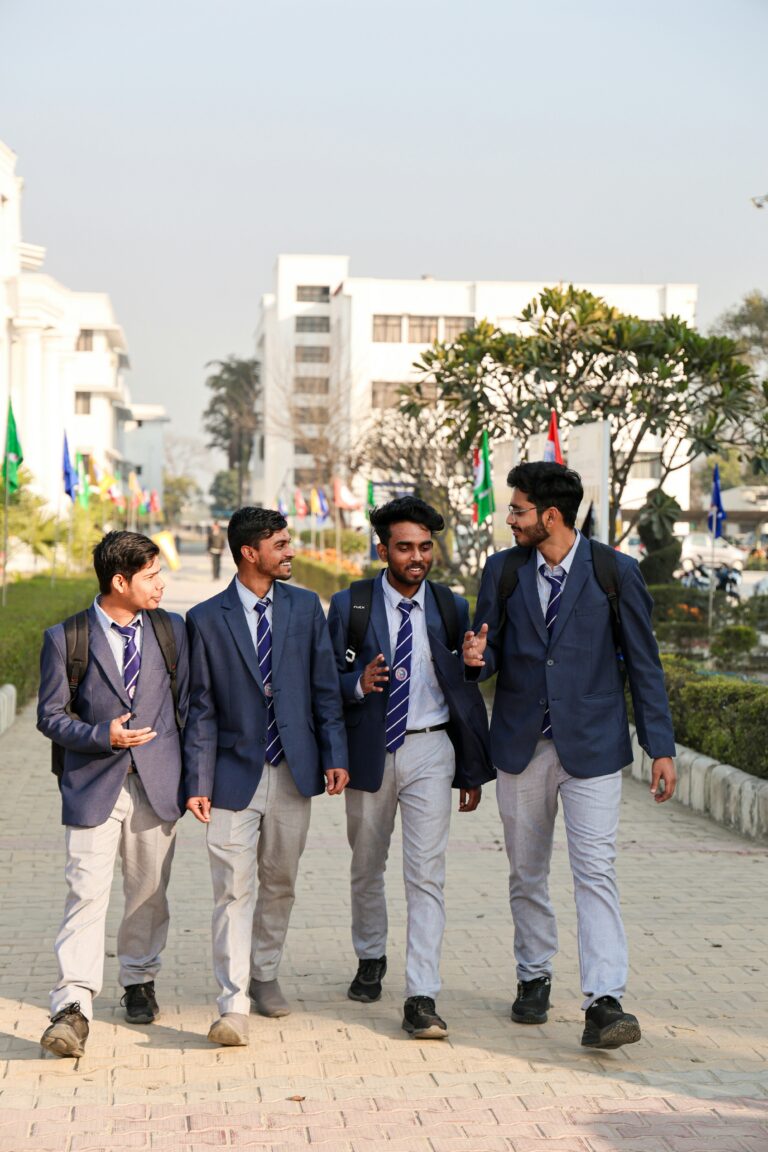

Germany is one of the most attractive destinations for international students because of its world-class universities, affordable education, and excellent employment opportunities. For Nigerian students planning to study abroad, Germany offers a unique advantage: the ability to work while studying and access a strong labor market after graduation.
Whether you need part-time work to support your living expenses or you’re looking to build valuable international work experience, Germany provides numerous opportunities across different industries.
In this guide, you’ll discover the best job opportunities in Germany for international students, salary expectations, work regulations, and practical tips to secure employment quickly.
Why Germany is a Great Destination for Student Workers
Germany has one of Europe’s strongest economies and a high demand for skilled workers.
Benefits include:
- Competitive wages
- Flexible student work schedules
- Opportunities to gain international experience
- Access to post-study work visas
- Potential pathway to permanent residency
- Strong demand for graduates in various sectors
Many international students successfully combine work and studies while building their careers.
Can International Students Work in Germany?
Yes.
International students are legally allowed to work while studying in Germany.
Students from non-EU countries, including Nigeria, can generally work:
- Up to 140 full working days per year, or
- Up to 280 half working days per year
Students may also work in university-related positions under different regulations.
Always verify current employment rules with your university and immigration authorities.
Best Job Opportunities for International Students in Germany
1. Student Assistant (Werkstudent)
One of the most popular jobs among international students.
Responsibilities may include:
- Administrative support
- Research assistance
- Data entry
- Project coordination
Average Salary
€12 – €20 per hour
Benefits
- Relevant work experience
- Flexible schedules
- Strong networking opportunities
2. Research Assistant
Universities frequently hire students to assist professors and research teams.
Duties include:
- Academic research
- Data collection
- Laboratory work
- Literature reviews
Average Salary
€13 – €18 per hour
This position is particularly beneficial for master’s and PhD students.
3. IT and Software Development Jobs
Germany has a significant shortage of technology professionals.
Students with skills in:
- Programming
- Web development
- Cybersecurity
- Data analysis
- Artificial intelligence
often find well-paying part-time jobs.
Average Salary
€15 – €30 per hour
4. Hospitality and Restaurant Jobs
Restaurants, hotels, and cafés frequently hire students.
Popular roles include:
- Waiter/waitress
- Kitchen assistant
- Barista
- Reception assistant
Average Salary
€12 – €16 per hour plus tips
5. Delivery Driver or Courier
Food delivery services continue to employ thousands of students.
Requirements typically include:
- Residence permit
- Bicycle or driver’s license (depending on employer)
Average Salary
€12 – €18 per hour
6. Retail Store Assistant
Many supermarkets and retail stores employ international students.
Common duties:
- Customer service
- Stock management
- Cashier responsibilities
Average Salary
€12 – €15 per hour
7. English Language Tutor
Native and fluent English speakers are often in demand.
You can teach:
- School students
- University students
- Business professionals
Average Salary
€15 – €30 per hour
8. Customer Service Representative
Many international companies require English-speaking support staff.
Tasks include:
- Handling customer inquiries
- Technical support
- Email correspondence
Average Salary
€13 – €22 per hour
Highest Paying Student Jobs in Germany
Some of the best-paying student positions include:
| Job Role | Hourly Pay |
|---|---|
| Software Developer | €20 – €30 |
| Data Analyst | €18 – €28 |
| Research Assistant | €13 – €18 |
| Engineering Assistant | €15 – €25 |
| English Tutor | €15 – €30 |
| Student Consultant | €15 – €25 |
Students with specialized skills typically earn significantly more.
Best Cities in Germany for Student Jobs
Berlin
Germany’s startup capital offers opportunities in:
- Technology
- Marketing
- Customer service
- Hospitality
Munich
Known for:
- Engineering
- Automotive industries
- Finance
- Research institutions
Hamburg
Strong demand in:
- Logistics
- Shipping
- Retail
- Tourism
Frankfurt
Ideal for students interested in:
- Banking
- Finance
- Corporate services
Skills That Increase Your Chances of Employment
Employers highly value:
German Language Skills
Even basic German can improve employment opportunities.
Digital Skills
- Microsoft Office
- Data analysis
- Coding
- Graphic design
Communication Skills
Strong communication is essential in most industries.
Teamwork and Problem Solving
Employers often prioritize candidates with practical experience and soft skills.
Post-Graduation Employment Opportunities
One of Germany’s biggest advantages is its post-study work pathway.
After graduation, students can remain in Germany to seek employment related to their qualifications.
High-demand sectors include:
- Information Technology
- Engineering
- Healthcare
- Finance
- Renewable Energy
- Logistics
Many international graduates eventually transition into long-term employment and residency.
Common Mistakes International Students Should Avoid
Ignoring German Language Learning
Even basic proficiency can increase job opportunities.
Waiting Too Long to Apply
Many students delay job applications unnecessarily.
Poor CV Preparation
German employers expect professional and well-structured resumes.
Focusing Only on One Industry
Applying across multiple sectors increases your chances of success.
Frequently Asked Questions
Can Nigerian students work while studying in Germany?
Yes. Nigerian students can legally work under the employment regulations applicable to international students.
How much can students earn in Germany?
Depending on the job, students may earn between €12 and €30 per hour.
Is it easy to find a student job in Germany?
Students with strong language skills, professional CVs, and persistence often find employment successfully.
Do I need to speak German?
Not always. Many jobs, especially in technology and international companies, require only English. However, German language skills can significantly improve opportunities.
Can student jobs help me get permanent employment?
Yes. Many students receive full-time job offers after graduation through connections made during part-time employment.
Conclusion
Germany remains one of the best destinations for international students seeking both quality education and employment opportunities. With a strong economy, competitive wages, and a welcoming environment for skilled graduates, students can gain valuable experience while supporting themselves financially.
By improving your skills, learning basic German, and applying strategically, you can successfully secure a job while studying and build a pathway toward a rewarding international career.
If you’re planning to study in Germany, start preparing your CV, build your professional network, and begin exploring job opportunities as early as possible.